Reuse the drive
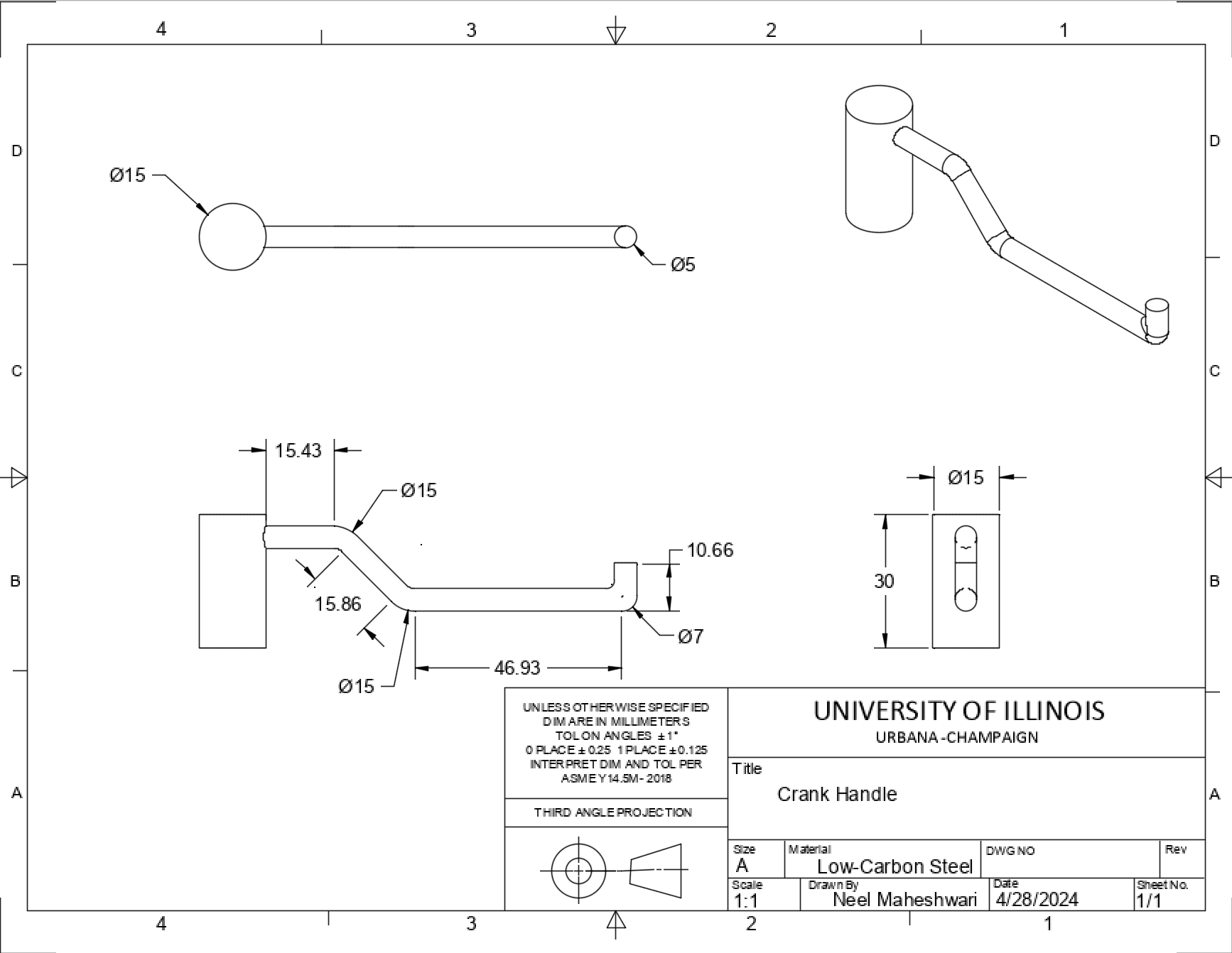
The coffee grinder's crank handle, handle head, shaft axle, and related interface were retained because the same rotary input could drive a citrus reamer.
ME 270 / Design Challenge
A manual citrus juicer designed around the reusable crank mechanism of a coffee grinder, with disassembly, material recovery, and long-term durability guiding the redesign.

The Challenge
The project began with a manual coffee grinder: a cylindrical product whose hand crank rotates a central shaft and burr. I repurposed that same motion for a citrus juicer, replacing the grinding components with a conical reamer and containers for holding fruit and collecting juice.
The coffee grinder's crank handle, handle head, shaft axle, and related interface were retained because the same rotary input could drive a citrus reamer.
Unused low-carbon-steel grinder parts were proposed as feedstock for a stainless-steel reamer, extending the material's value instead of discarding it.
Separate PET components hold the fruit and collect the juice, using impact-resistant, chemically resistant geometry suited to injection molding.
Ideation
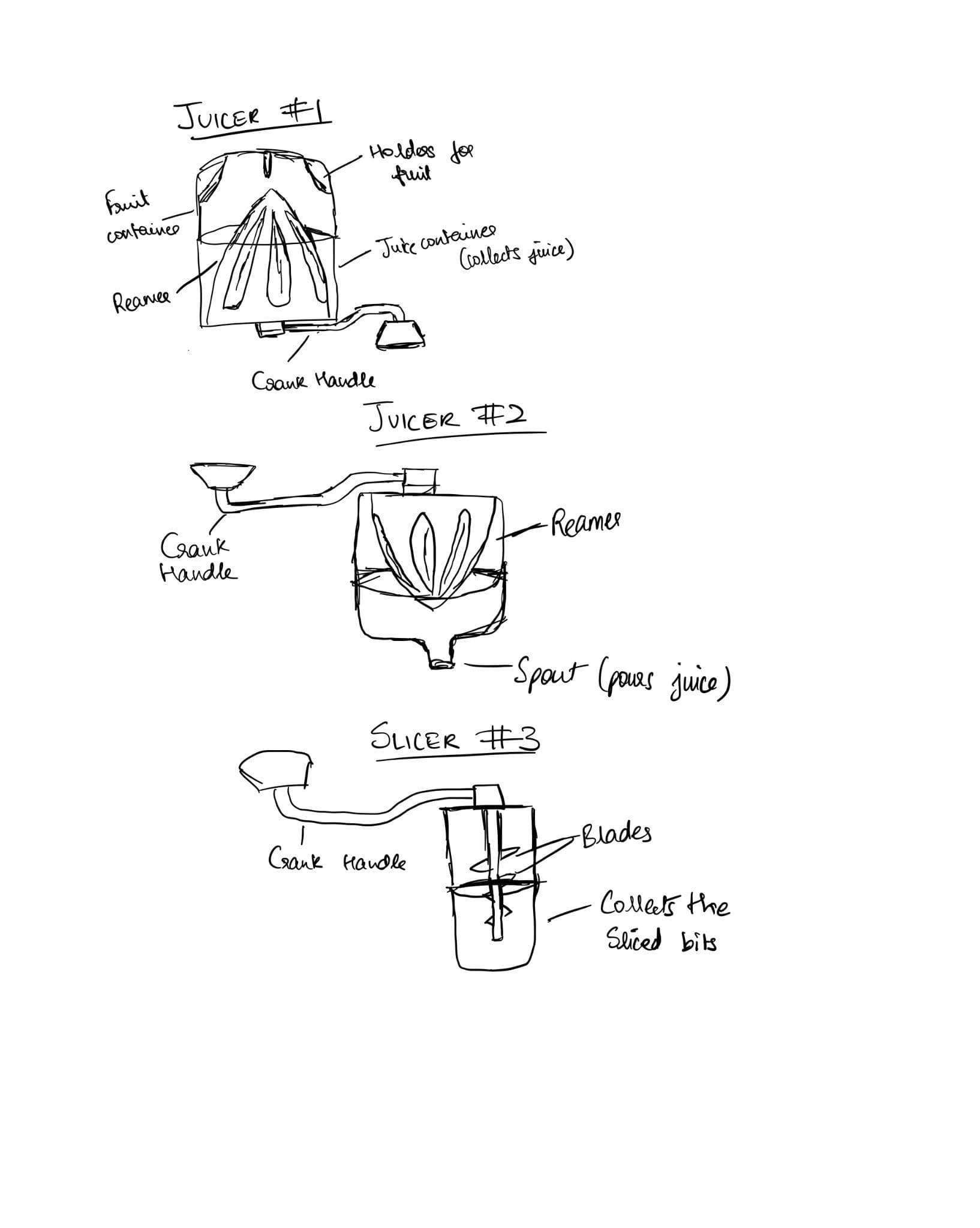
Early concepts explored different fruit holders, reamer positions, collection methods, and cutting approaches. The selected direction kept the familiar cylindrical form and used the crank to rotate the reamer beneath a supported piece of fruit.
Design for Disassembly
The redesign centered on parts that could be recovered without modification. This reduced the need for new components and made the transformation from grinder to juicer easier to understand and assemble.
The original grinder can be opened with one screwdriver; most remaining connections twist or pull apart.
The reused crank components remain functionally unchanged in the new product.
The crank handle and shaft axle could be consolidated because they share material and do not move relative to one another.
The redesigned assembly contains seven parts, compared with a theoretical minimum of six.
Materials and Durability
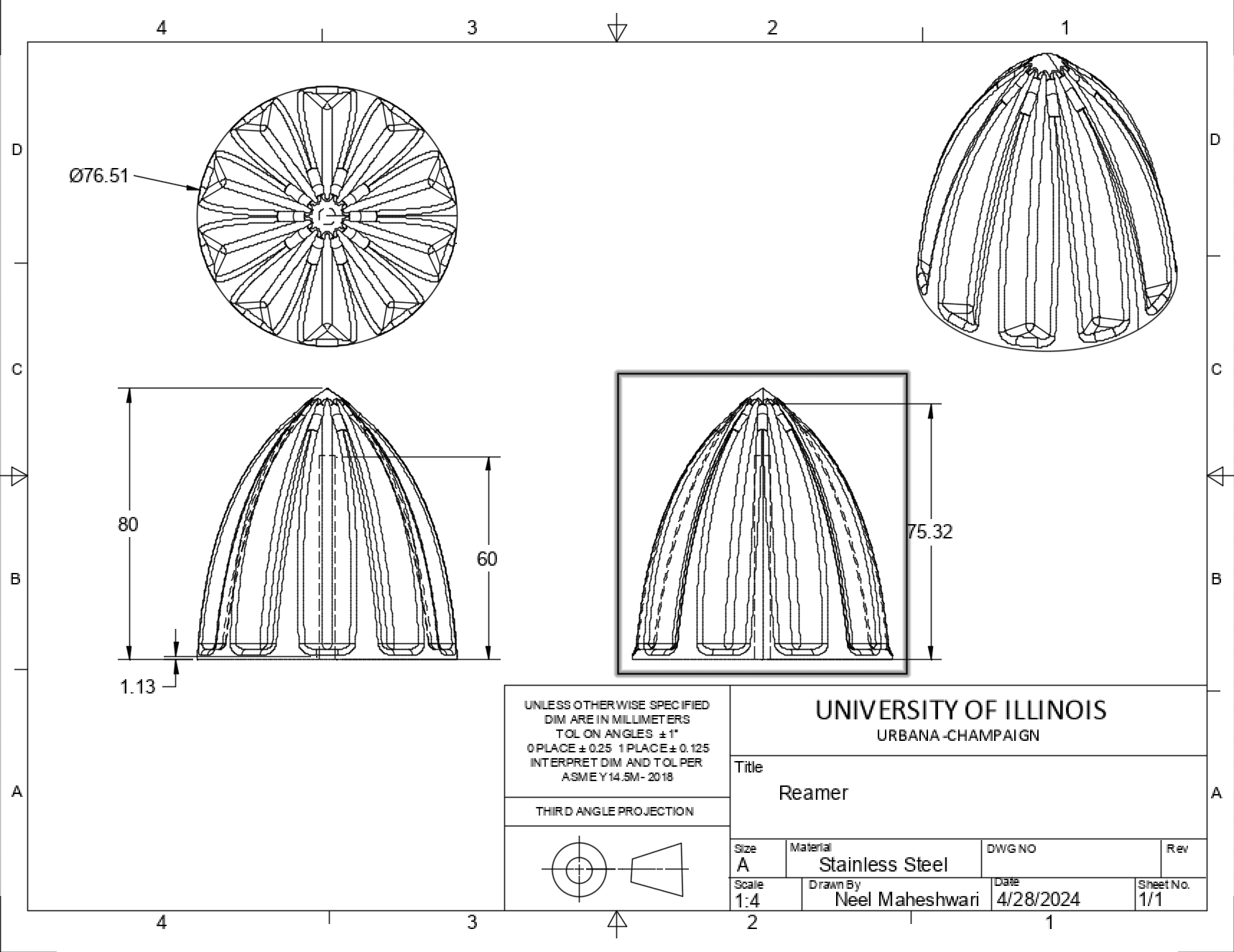
Stainless steel was selected for the reamer because it resists corrosion and wear better than low-carbon steel in a wet food-contact application. PET was selected for the fruit and juice containers for its impact, chemical, and heat resistance.
Hypothetical Experiment
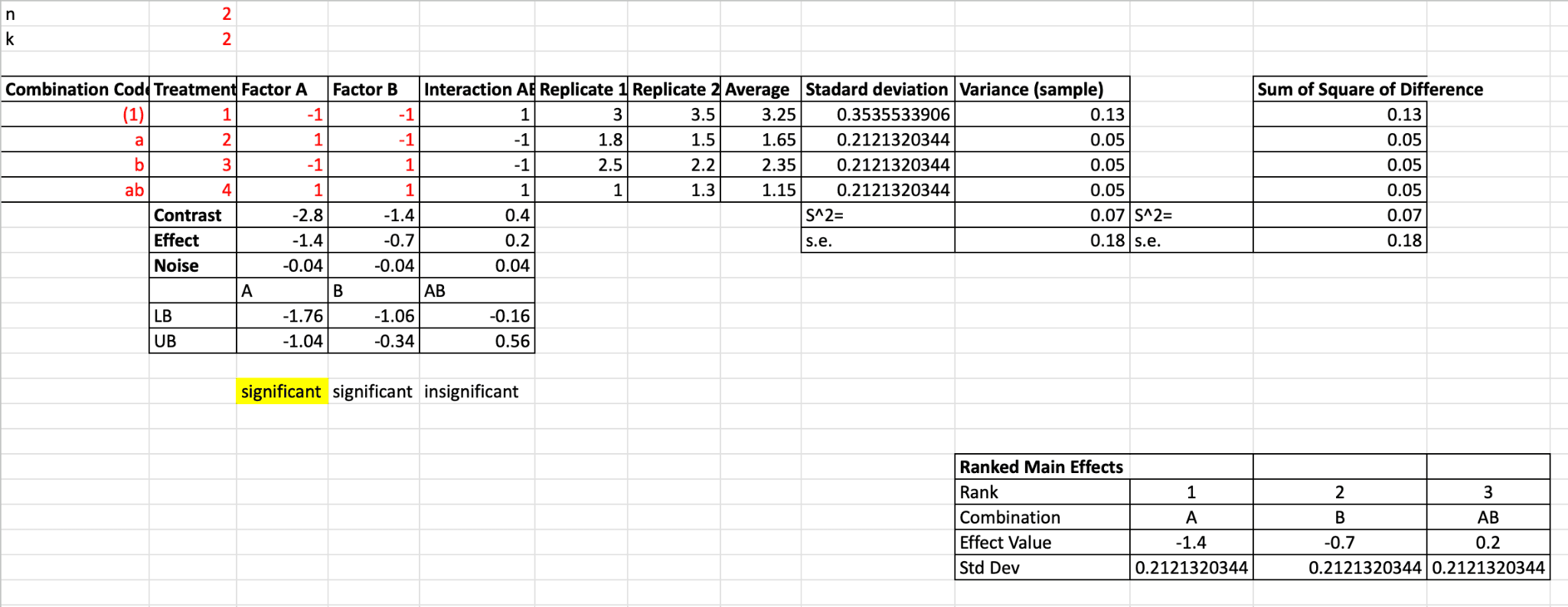
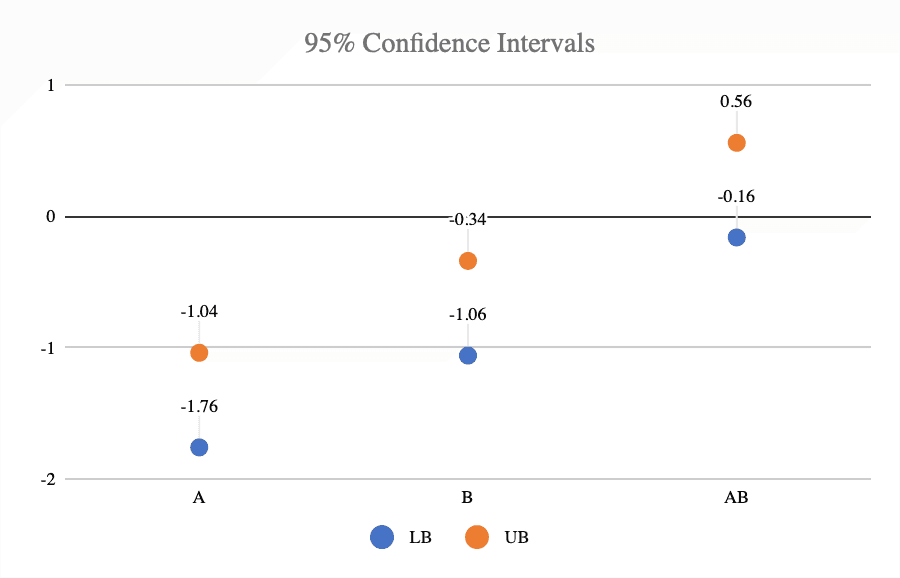
A two-factor experiment was proposed using crank speed at 30 and 60 RPM and fruit diameter at 53 and 70 mm. The response was the time required to juice the fruit. The analysis suggested rotation speed would have a slightly larger effect than fruit diameter.